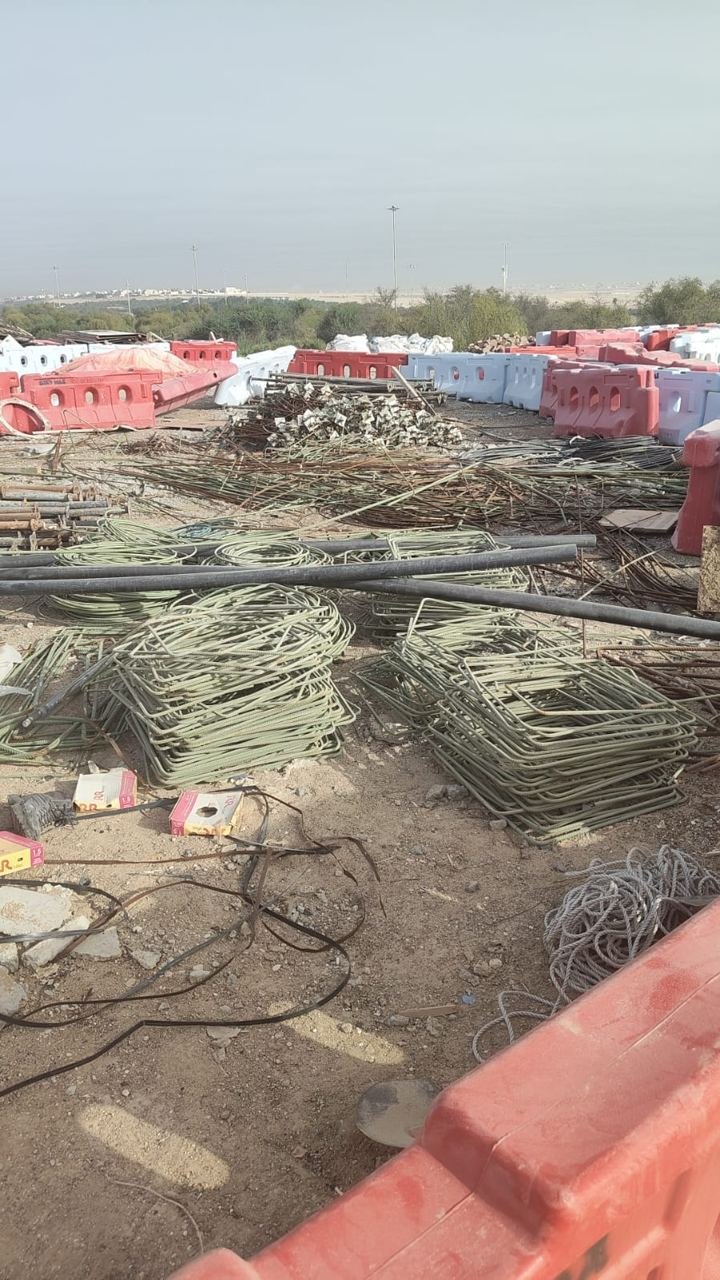
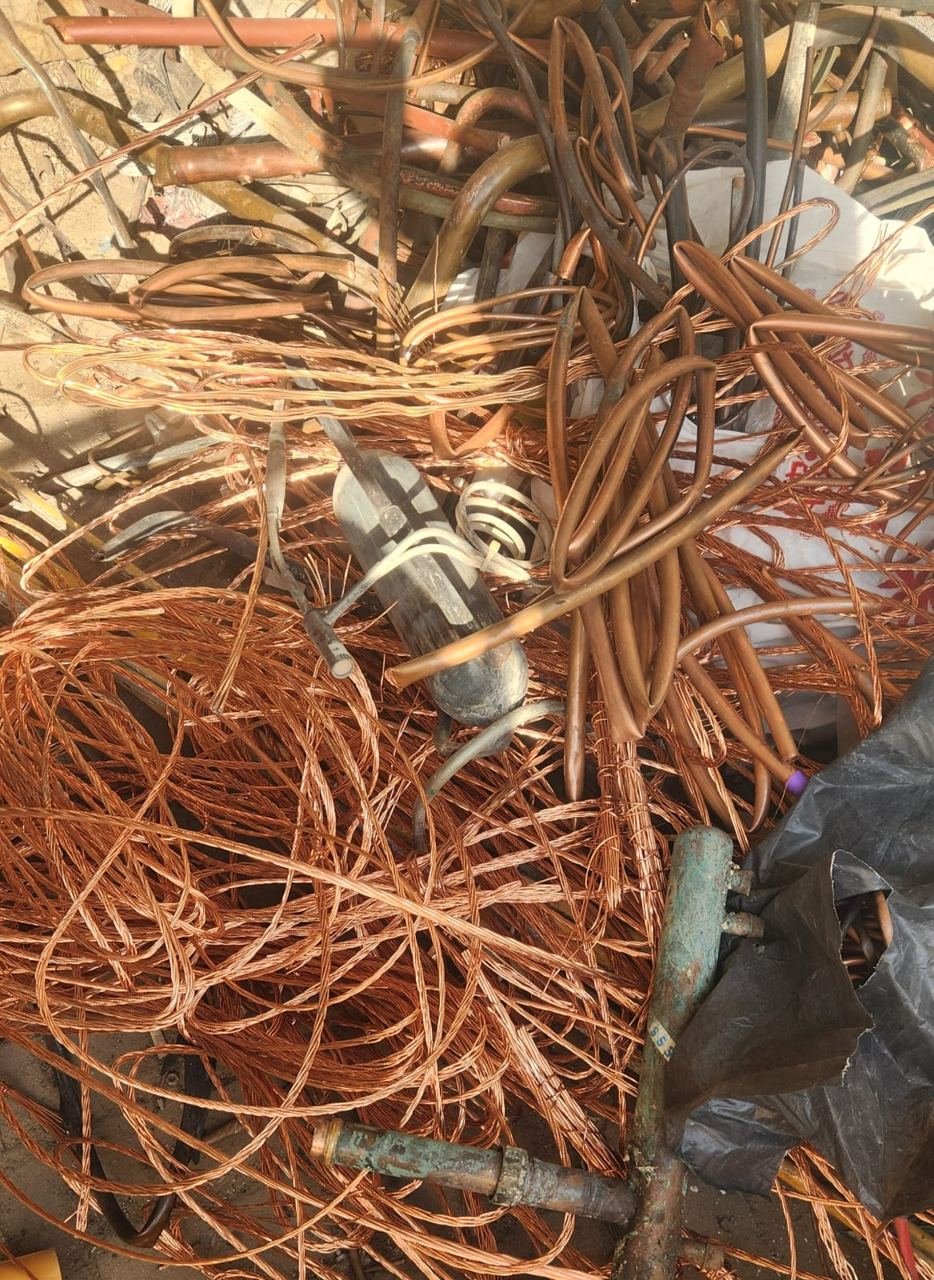
Typical brass scrap
- Taps, mixers and plumbing fittings.
- Valves, couplings, unions and manifolds.
- Door handles, hinges and decorative hardware.
- Machined brass offcuts and turnings from workshops.
- Brass components removed from old equipment.
Identification and mixed metals
Brass is usually yellow-gold, heavier than it looks and does not attract a magnet. Many brass fittings are chrome-plated, painted or fitted with steel parts, rubber seals or plastic. Items that combine several materials can be assessed differently from clean brass. Send clear photographs, ideally including any markings, so the material can be discussed accurately.
Factors that influence assessment
- Whether the pieces are clean brass or mixed with other metals.
- Coatings such as chrome or nickel plating.
- Condition and the amount of attached steel or plastic.
- Total quantity and how the material is sorted.
How to submit your enquiry
Lay a few representative pieces on a plain surface, take sharp photographs in daylight and note the approximate weight. If you have more than one kind of item, such as taps, valves and offcuts, photograph each group. Send them by WhatsApp with your location.
Frequently Asked Questions
How can I tell brass from copper?
Brass is usually yellower; copper is reddish-orange. Photographs help us confirm what you have.
Do chrome-plated fittings count as brass?
Many are brass underneath, but plating can affect how they are assessed. Send a photo.
Do I need to remove plastic and rubber parts?
If it is easy and safe, yes, but it is not essential for an initial enquiry.
Can I sell mixed fittings in one bag?
You can enquire. Sorting helps, but photographs of the mixed bag are enough to start.
Is there a minimum quantity?
Share what you have and we will tell you what is practical.
Contact Zahid Scrap Buyer
Ready to discuss your brass scrap buying enquiry? Call +971 54 428 8350 or send photographs and details on WhatsApp.
 Bronze Scrap Buying