Ferrous and non-ferrous: why the difference matters
Almost every scrap enquiry starts with one question: does a magnet stick to it? Ferrous metals such as iron and steel contain iron and are magnetic. Non-ferrous metals such as copper, aluminium, brass and bronze do not contain iron, do not rust in the same way, and are generally handled and assessed separately.
Keeping the two groups apart is the single most useful thing you can do before contacting a dealer. A mixed heap can still be discussed, but sorted material is easier to describe, easier to weigh and easier to value.
Metals you can enquire about
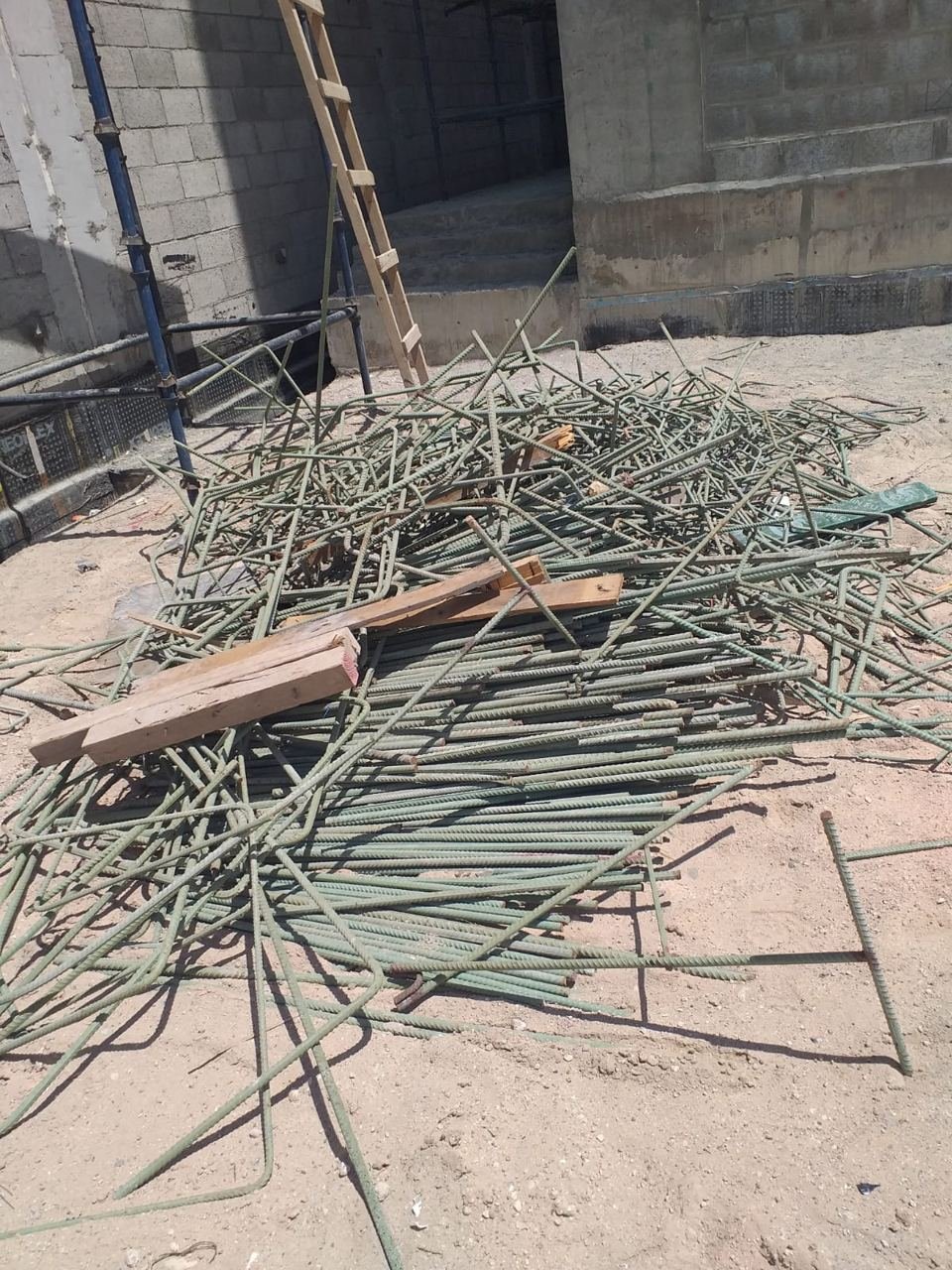
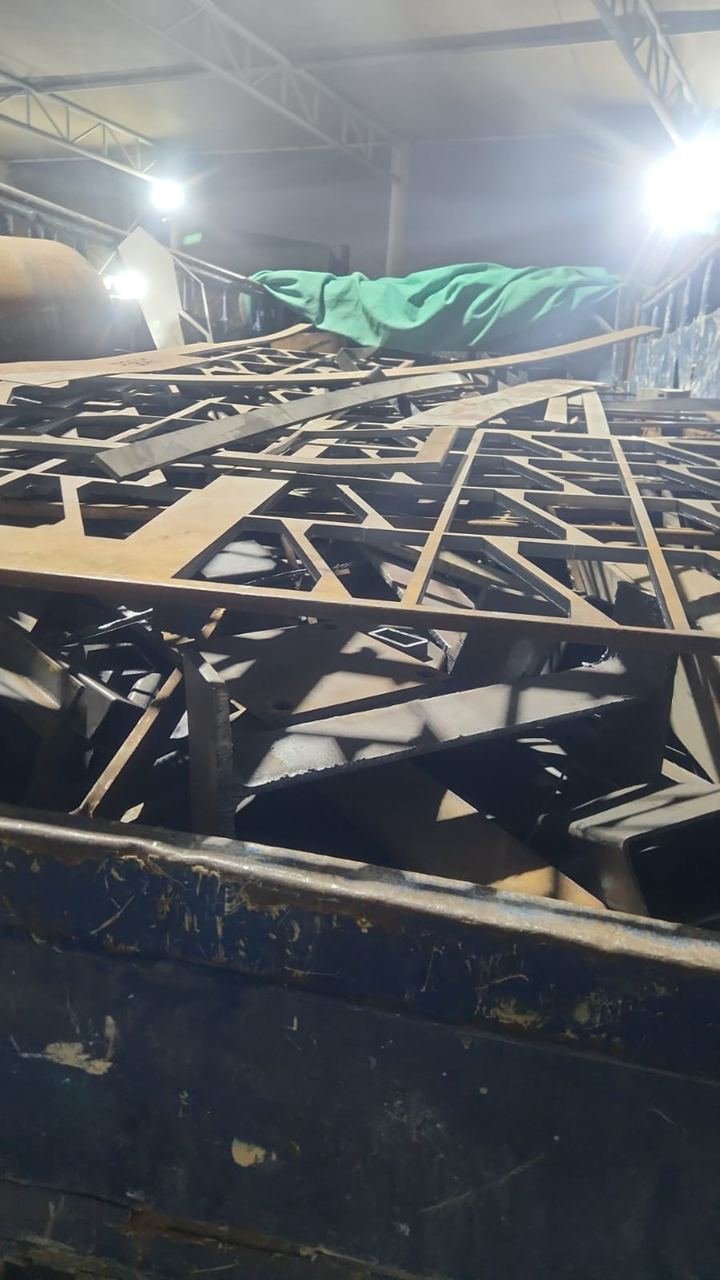
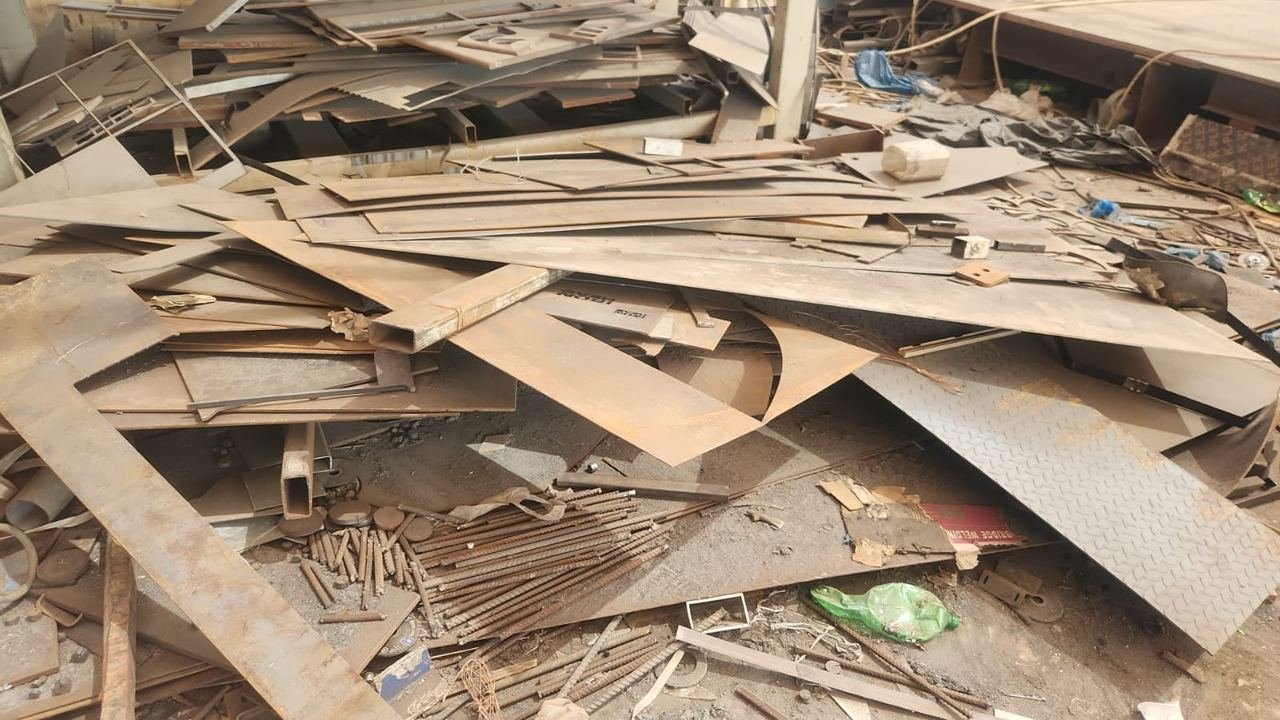
- Iron and steel – plates, bars, beams, tubes, sheet offcuts and heavy fabrication waste.
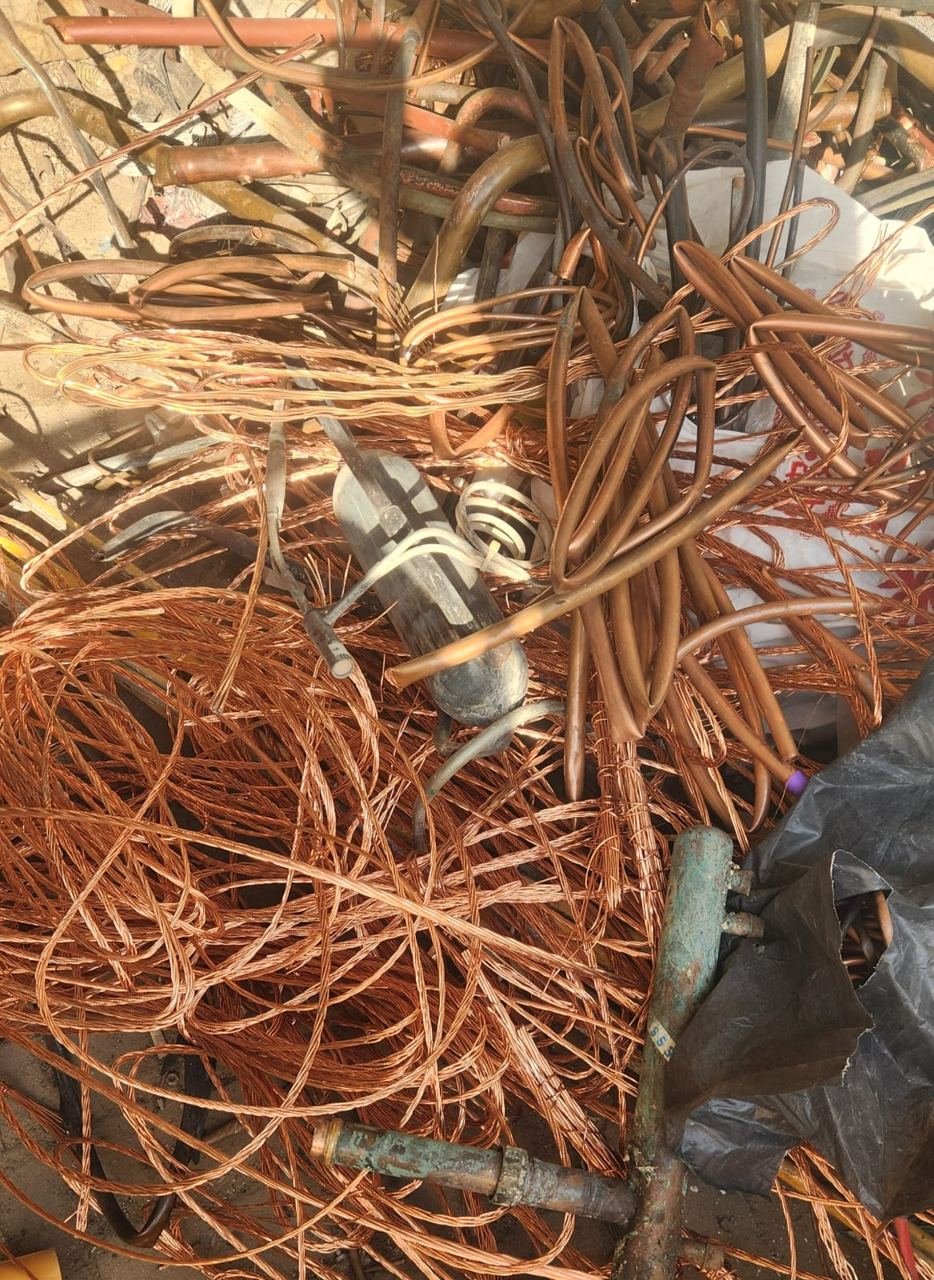
- Copper – bare wire, pipes, plumbing offcuts and suitable industrial components.
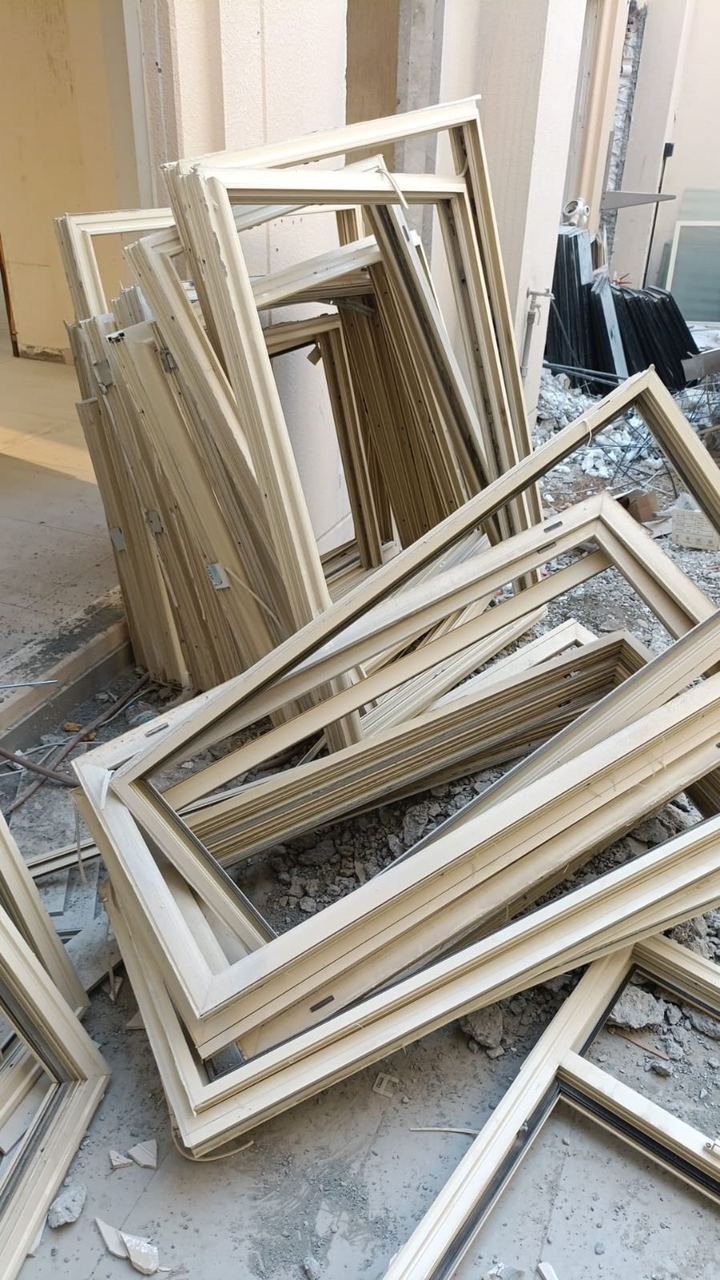
- Aluminium – window and door frames, extrusion profiles, sheets and fabrication offcuts.
- Brass and bronze – taps, valves, fittings and cast components.
- Stainless steel – sinks, kitchen equipment, tanks and sheet offcuts.
- Cables, motors and machinery – subject to the type and condition of the equipment.
Where scrap typically comes from
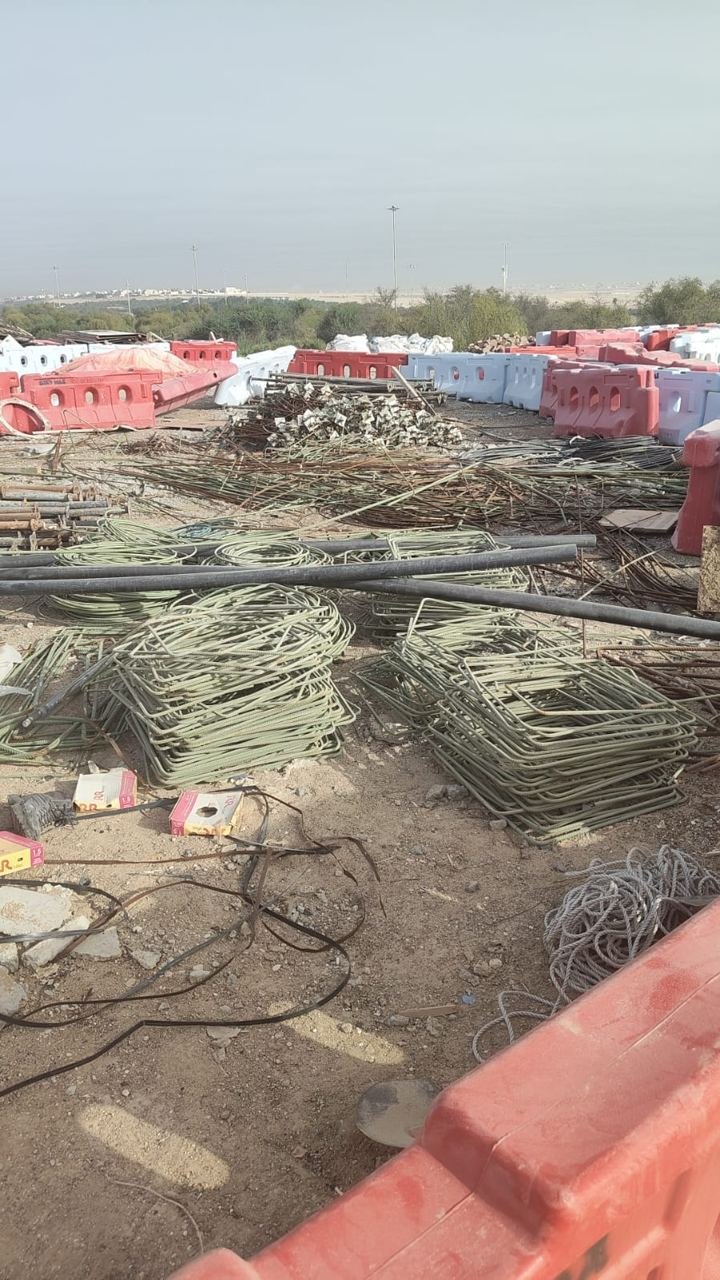
Scrap metal builds up in more places than most people expect. Workshops produce cutting offcuts and worn parts. Building and renovation projects leave behind frames, reinforcement bars, pipes and wiring. Warehouses accumulate damaged racking and retired equipment. Factories end up with obsolete machines, spare parts and production waste. Each of these has its own mix of metals, and each benefits from a short conversation before any collection is planned.
What affects how scrap is valued
Valuation depends on the type of metal, its grade and cleanliness, its condition, the quantity and the prevailing market conditions at the time. Contamination, such as plastic, soil, concrete, oil or attached steel fittings, can change how a load is assessed. No price can be responsibly quoted without knowing what the material actually is, so the final figure is always confirmed against the real material.
How to start an enquiry
- Take clear photographs of the material from a few angles.
- Note the metal types you believe you have and an approximate weight or quantity.
- Tell us where the material is and whether vehicles can reach it easily.
- Send everything by WhatsApp or call to talk it through.
Frequently Asked Questions
What is the difference between ferrous and non-ferrous scrap?
Ferrous scrap (iron and steel) contains iron and is magnetic. Non-ferrous scrap (copper, aluminium, brass, bronze) does not contain iron. They are sorted and assessed separately.
Do I need to sort my scrap before contacting you?
Sorting helps, but it is not required to start an enquiry. Photographs of the mixed material are enough for an initial discussion.
Can I enquire about a small amount of scrap?
Yes. Share the material type and approximate quantity and we can discuss what is practical.
How is the price decided?
Price depends on metal type, grade, condition, quantity and market conditions, and is confirmed for the actual material before any sale.
Is collection available?
Collection options depend on the location, quantity and access. Please ask when you contact us.
Contact Zahid Scrap Buyer
Ready to discuss your scrap metal dealer enquiry? Call +971 54 428 8350 or send photographs and details on WhatsApp.